


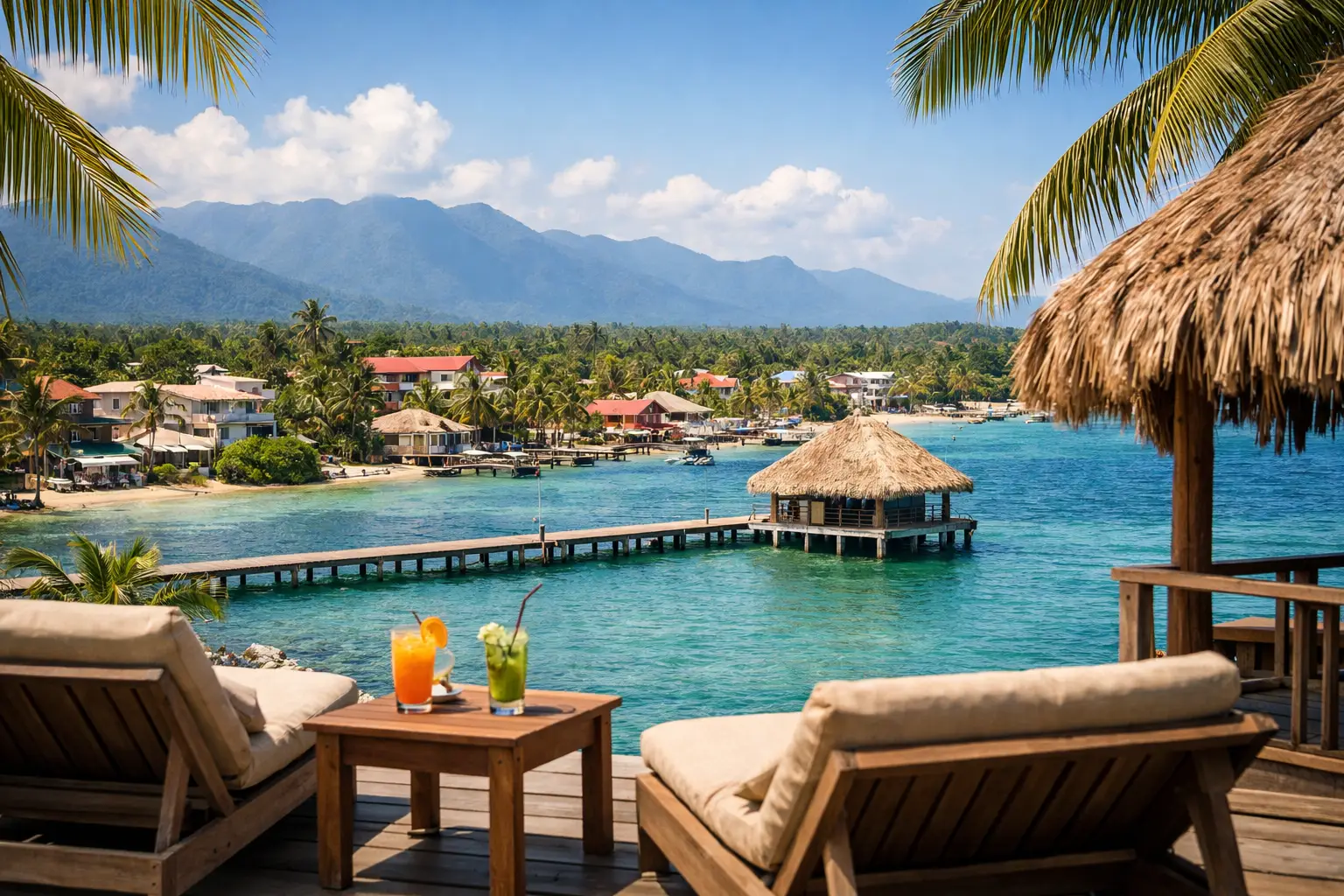
The view from a Belize beach can make a relocation decision feel easy. The day-to-day reality is more specific: Where will you get groceries, how close are you to medical care, what does the rainy season feel like, and can the property support the lifestyle or rental income you expect? Is Belize a good place to live? For many Americans, retirees, and second-home buyers, yes – provided they choose the right location and arrive with realistic expectations.
Belize offers English-speaking convenience, Caribbean and Central American character, direct access from the United States, and a property market with choices ranging from modest inland homesites to turnkey beachfront condos, private islands, and income-producing resorts. It is not a cheaper, tropical version of the United States. Services can be inconsistent, imported goods can be expensive, and each region delivers a very different version of Belize living. Buyers who treat location, budget, and property purpose as connected decisions tend to have the best experience.
Is Belize a Good Place to Live for Your Priorities?
Belize is especially appealing to buyers who want a slower pace, outdoor living, warm weather, and a home base close to the water or jungle. English is the official language, which removes one of the largest barriers Americans face when buying or settling abroad. The Belize dollar is fixed at BZ$2 to US$1, and US dollars are widely accepted, making everyday budgeting easier than in many international markets.
The country also rewards people who value flexibility. A condo on Ambergris Caye can function as a personal retreat with professional rental management. A Placencia home can serve as a retirement residence near the beach. An inland property near San Ignacio may offer acreage, privacy, and a more grounded connection to local life. Investors can evaluate hotel, resort, commercial, farm, land, and development opportunities in one destination market.
But Belize is not the right fit for someone who expects big-city choice and immediate service at every turn. Product selection is smaller, shipping takes time, roads vary widely by district, and a repair that would take a day in the US may take longer. The people who thrive here usually see those trade-offs as part of a more independent lifestyle, not as a deal-breaker.
The Lifestyle Changes by Location
There is no single Belize experience. The best place to live depends on whether you prioritize beach access, walkability, value, community, rental demand, or access to services.
Ambergris Caye and San Pedro
Ambergris Caye is Belize’s best-known island market and a leading choice for buyers seeking beachfront condos, vacation homes, and established rental potential. San Pedro offers restaurants, grocery options, golf-cart transportation, tours, and an active international community. It feels social, energetic, and built around the sea.
That convenience comes with a premium. Waterfront and well-located properties can command higher prices, and island living means many supplies arrive by boat or plane. It is an excellent fit for buyers who want an active vacation-home market and do not need a quiet, low-density daily routine.
Caye Caulker
Caye Caulker has a smaller, more relaxed feel. Its no-rush reputation appeals to buyers who want a simpler island setting with less built-up energy than San Pedro. It can be a strong match for a second home, a small hospitality venture, or a lifestyle buyer comfortable with fewer services and limited vehicle use.
The trade-off is exactly what gives the island its charm: selection is narrower, infrastructure is more limited, and some conveniences require planning. Buyers should assess the specific neighborhood, access route, utilities, and property condition rather than assuming every island parcel operates the same way.
Placencia and the Southern Coast
Placencia combines a long Caribbean shoreline, a village atmosphere, and access to mainland services. The peninsula has attracted retirees, boutique resort buyers, and people who want beachfront living without relying entirely on island transport. It also provides options ranging from village homes and condos to larger waterfront estates and development land.
Placencia suits buyers looking for a calmer coastal rhythm, but seasonal weather, road access, and distance from major medical services still belong in the decision. A home that looks perfect for a weeklong visit should also work during a rainy Tuesday in September.
San Ignacio and Inland Belize
Inland Belize is often where buyers find more space for the money. San Ignacio and surrounding Cayo communities appeal to those who want rainforest views, riverfront land, farms, eco-lodges, or a home near Mayan sites and outdoor recreation. The climate can feel less humid than the coast, and the local experience is often more connected to Belizean daily life.
This is not the choice for someone whose priority is stepping directly onto a beach. It is, however, a compelling market for acreage buyers, nature-focused retirees, and investors evaluating agricultural or eco-tourism potential.
What Does It Cost to Live in Belize?
Belize can be affordable, but it is not automatically inexpensive. The answer depends heavily on location and lifestyle. Local produce, basic services, and many Belizean-made goods can be reasonably priced. Imported food, premium alcohol, vehicles, electronics, specialty building materials, and familiar US brands can cost noticeably more because of transportation and duties.
Housing is the largest variable. A buyer who chooses inland land or a modest home outside a major tourism hub may achieve a far lower entry price than someone shopping for an oceanfront condo on Ambergris Caye. Waterfront, turnkey, newly built, and rental-ready properties generally command more because they are limited and can serve both lifestyle and income goals.
Utility costs also deserve attention. Electricity can be meaningful in homes that rely heavily on air conditioning, particularly on the coast. Solar capacity, backup power, water storage, internet availability, and maintenance history are not minor property details. They affect monthly costs and whether a home remains comfortable when conditions are less than perfect.
Before buying, build a budget that includes insurance, property tax, property management if applicable, travel back to the US, furnishings, maintenance, and an emergency reserve. The purchase price is only the starting point.
Safety, Healthcare, and Everyday Logistics
Belize has welcoming communities and areas where foreign residents feel very comfortable, but safety should be evaluated at the neighborhood level. Tourism hubs, villages, and inland towns have different conditions. Buyers should spend time in the exact area they are considering, speak with residents, and inspect how the property is accessed after dark and during wet weather. Practical security measures such as good lighting, secure doors, and thoughtful property management are common sense, not a reason to avoid the market.
Healthcare is another area where expectations matter. Belize has private clinics and hospitals, and routine needs can often be handled locally. For complex care, some residents travel to Belize City or fly to Mexico or the US. Retirees and families managing chronic conditions should identify providers, medication availability, evacuation coverage, and travel plans before making a permanent move.
Internet quality has improved in many popular markets, but it should be verified at the address level. The same goes for cellular service, road condition, water supply, flood exposure, and waste collection. A remote worker, rental investor, and seasonal retiree may all look at the same home, yet each needs a different level of certainty around those basics.
Buying Property as a Foreigner
Foreigners can generally buy and own property in Belize with the same ownership rights as Belizean citizens, subject to standard legal processes and certain considerations near borders or in particular areas. That accessibility is a major reason Belize remains on the radar for US buyers seeking an international property position.
Still, a purchase should never be treated casually. Verify title, boundaries, access, easements, building approvals, utility connections, rental rules, and any homeowner association obligations. Use qualified Belize legal counsel and conduct due diligence before funds change hands. For income-producing property, review actual operating records rather than relying only on projected rental returns.
Residency is separate from property ownership. Owning a home does not automatically make someone a resident, so buyers planning a full-time move should understand the available immigration pathways and current requirements. Many people begin with extended stays, learn the rhythm of their chosen community, and purchase only after they know how Belize feels beyond high season.
A Smarter Way to Decide
The strongest Belize purchase is one that has a clear job. It may be a retirement home you will use eight months a year, a lock-and-leave condo with rental management, a land hold with a long development horizon, or a hospitality property operated as a business. When the job is clear, the right area, budget, and property features become easier to identify.
Start by narrowing the non-negotiables: beach or inland, island or mainland, rental income or personal use, walkability or privacy, and full-time living or seasonal stays. Then compare actual properties across the markets that fit. Belize Real Estate MLS brings those choices into one place, from entry-level land and seller-financed opportunities to luxury homes, condos, resorts, and waterfront investments.
Belize works best when you buy the lifestyle you will genuinely use, not just the view that impresses you on a first visit. Spend enough time in your preferred area to test the ordinary days. If those days feel like freedom rather than compromise, Belize may be exactly the place to live well.
