
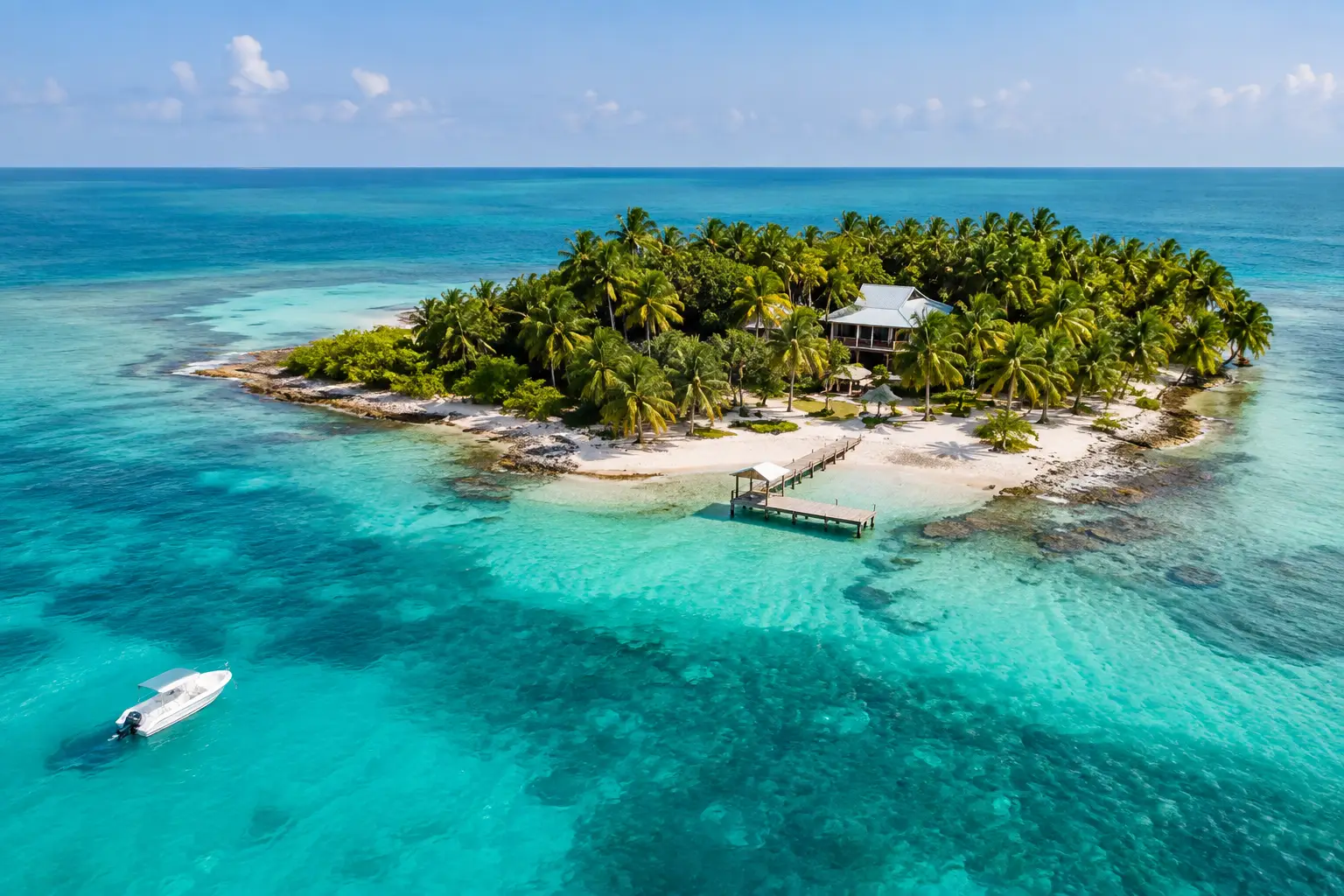
A private island is not simply beachfront land with more water around it. When buyers search for islands in the Caribbean for sale, they are evaluating access, utilities, title, construction logistics, weather exposure, and a lifestyle that can be as independent as it is extraordinary. Belize stands out because it offers a broad range of island opportunities, from small off-grid cayes to larger development parcels near established tourism markets.
For a buyer seeking a personal retreat, rental income, a boutique resort site, or a long-term land investment, the right island depends on what happens after the purchase. A low-priced caye with no dependable dock, freshwater plan, or clear building path can become expensive quickly. A well-located island near Ambergris Caye, Caye Caulker, Placencia, or the mainland coast may command a higher price, but it can also provide stronger access, guest appeal, and resale potential.
Why Belize Is a Serious Island Market
Belize combines Caribbean water, English-speaking transactions, a familiar legal framework, and proximity to North America. It has the reef, fishing flats, island culture, and warm-water lifestyle buyers expect, but it also offers choices beyond the crowded resort corridors found elsewhere in the region.
The country’s cayes and coastal islands vary dramatically. Some are minutes by boat from San Pedro or Caye Caulker, with regular services, restaurants, and supply access nearby. Others are remote mangrove cayes, fishing islands, or undeveloped parcels that offer privacy but require an owner to create their own infrastructure.
That range matters. A buyer looking for a weekend escape may value proximity to an airstrip, marina, grocery delivery, and medical services. An investor considering eco-lodging or a small resort may place more value on acreage, shoreline configuration, navigable water, tourism demand, and the ability to develop in phases. Belize does not offer one island-buying experience. It offers a market where location and use case determine the opportunity.
Islands in the Caribbean for Sale: Start With the Purpose
The best first question is not, “What is the cheapest island available?” It is, “What do I want this island to do for me?” That answer will narrow the search faster than any price filter.
A personal-use buyer may prioritize a protected shoreline, a practical boat ride from town, space for a main residence and guest cabana, and dependable solar, water, and internet options. A rental buyer may need a location guests can reach without arranging a private charter, along with favorable snorkeling, diving, fishing, or beach access. A developer may require enough land for setbacks, staff housing, wastewater systems, docks, and future expansion.
Small private cayes can be compelling because they provide a rare level of privacy. They may also be better suited to a limited-use retreat than a high-volume hospitality operation. Larger island parcels can offer more room for a lodge, marina concept, residential lots, or conservation-minded development, but they demand greater planning, capital, and regulatory review.
An island’s surroundings are equally important. A parcel near an active tourism hub can benefit from guest demand and available labor. A more isolated island may deliver the feeling of true escape, yet make every delivery, repair, construction project, and emergency response more complicated.
Location Changes the Numbers
Belize island buyers often focus first on Ambergris Caye because of San Pedro’s established tourism economy, airport access, restaurants, services, and strong vacation-rental appeal. Private islands and smaller cayes in the surrounding waters can benefit from that ecosystem while offering separation from town.
Caye Caulker appeals to buyers who prefer a relaxed, lower-density setting with a loyal visitor base. The area can suit boutique hospitality concepts, vacation properties, and buyers who want a Caribbean lifestyle without the pace of a larger resort market.
The Turneffe Atoll and more remote offshore areas offer exceptional natural surroundings, diving, fishing, and privacy. These locations can be ideal for eco-resorts, destination lodges, or experienced buyers with a clear operational plan. They are generally not the place to assume that utilities, materials, staff, or guests will be easy to move.
Coastal and lagoon-front islands near Placencia, Dangriga, or southern Belize offer another category of opportunity. Depending on the specific site, these properties can provide access to mainland services while retaining a private-island character. They may appeal to buyers considering a home base, boutique resort, marina-related business, or land-banking strategy.
What to Verify Before You Make an Offer
Island real estate rewards disciplined due diligence. The purchase price is only one part of the investment, and it should never be considered in isolation from title, access, development rules, and carrying costs.
Start with the title and survey. Confirm the exact boundaries, acreage, shoreline, easements, and legal access rights. Water can make boundaries feel obvious, but island parcels may include mangroves, submerged areas, narrow channels, or shorelines that shift over time. An up-to-date survey and qualified Belize legal counsel are essential.
Next, verify the property’s development status. Ask whether there are existing approvals, environmental considerations, zoning or land-use restrictions, building limitations, and requirements related to docks, dredging, seawalls, or marina work. Mangroves and reef-adjacent environments are valuable assets, but they also require careful planning and responsible development.
Utilities deserve a realistic review. Many islands rely on solar power, battery storage, generators, rainwater collection, desalination, septic systems, satellite internet, and fuel delivery. These systems can support an outstanding off-grid property, but they must be sized and maintained for the intended use. A private residence has different demands than a six-cabana resort with staff quarters and commercial refrigeration.
Finally, understand the ownership structure and applicable requirements for non-Belizean buyers. Foreign buyers can acquire real estate in Belize, but the proper purchase structure, registrations, taxes, and any landholding permissions should be confirmed for the individual property and buyer. This is a legal and financial decision, not a box to check after closing.
The Real Cost of Owning an Island
A remote island can look attractively priced compared with a waterfront home in a major Caribbean destination. The difference is often found in the work required to make the land functional.
Budget for transportation first. Boats, fuel, captains, mooring, dock maintenance, and weather-related interruptions are recurring realities. Construction costs can also rise because materials, equipment, and skilled crews need to reach the site by water. A project that is straightforward on the mainland may require far more coordination offshore.
Insurance, security, maintenance, backup power, water systems, waste management, and hurricane preparedness should also be part of the initial underwriting. If the property will generate rental income, factor in booking management, cleaning, guest transfers, staffing, marketing, permits, and periods of lower occupancy.
None of these considerations make island ownership less appealing. They simply separate a well-planned purchase from a romantic idea with an uncertain operating budget. The strongest opportunities are often properties where access, infrastructure, and purpose already align.
How to Identify an Island With Investment Potential
For investment-minded buyers, scarcity alone is not a strategy. An island may be rare, but its value still depends on whether others can use, enjoy, finance, or develop it in the future.
Look for practical strengths: a navigable approach, protected anchorage, room for a dock, proximity to an established visitor market, attractive water conditions, a usable shoreline, and a size that supports the intended project. Existing improvements can add value when they are well-built and properly permitted. They can also create expense if they need major repair or do not fit current regulations.
Income-producing possibilities range from vacation rentals and fishing lodges to dive operations, boutique resorts, wellness retreats, and private-event venues. Each model has a different demand profile. A secluded island may command premium nightly rates for the right guest, while a property closer to town may perform better with shorter stays and easier turnover.
Belize Real Estate MLS gives buyers one place to compare island listings alongside waterfront homes, resort properties, development land, and income-producing real estate. That broader view helps buyers judge whether a private island is the right fit or whether a beachfront parcel, resort site, or mainland waterfront property may better match their budget and plans.
A Better Way to Begin the Search
Start with a realistic acquisition budget, then reserve capital for due diligence, improvements, and at least the first stage of infrastructure. Be specific about your acceptable travel time from an airport or town, your need for utilities, whether rental income is required, and how much construction oversight you are willing to take on.
A private island in Belize can be a family legacy property, a distinctive hospitality asset, or a rare place to live with the Caribbean at your doorstep. The right one is not necessarily the most remote, the largest, or the lowest priced. It is the island where access, title, infrastructure, lifestyle, and long-term value all make sense before the boat leaves the dock.
About the Author – Grant Kenneth
Came down from California in ’11. Had done the business thing, sold houses, done loans. San Pedro doesn’t run like Orange County, which is the point. Built websites, chased Google, met my wife, got married in 2014, had a boy, and her little girl made four. Real estate here was a scavenger hunt. Fifty outfits, nobody playing catch, no MLS. A guy asked me for a site. I said let’s put all the listings in one pot. He sold ’em. I built the pot. He hung it up. I kept cooking and started showing property.
