
A private island purchase in Belize does not have to begin with a multimillion-dollar budget. Buyers searching for islands for sale under 500k can find real possibilities, especially when they are open to smaller cayes, undeveloped land, mangrove-fringed parcels, or locations beyond the most established tourism zones. The opportunity is real, but the category requires a clear understanding of what the price includes and what it will take to turn a raw island into a usable retreat, rental asset, or long-term land holding.
For many US buyers, the appeal is straightforward: own a piece of Belize, diversify into a destination market, and create a lifestyle asset with room to appreciate. The better question is not simply whether an island is priced below $500,000. It is whether the location, title, access, development potential, and carrying costs align with your plan.
What Islands for Sale Under 500K Usually Mean
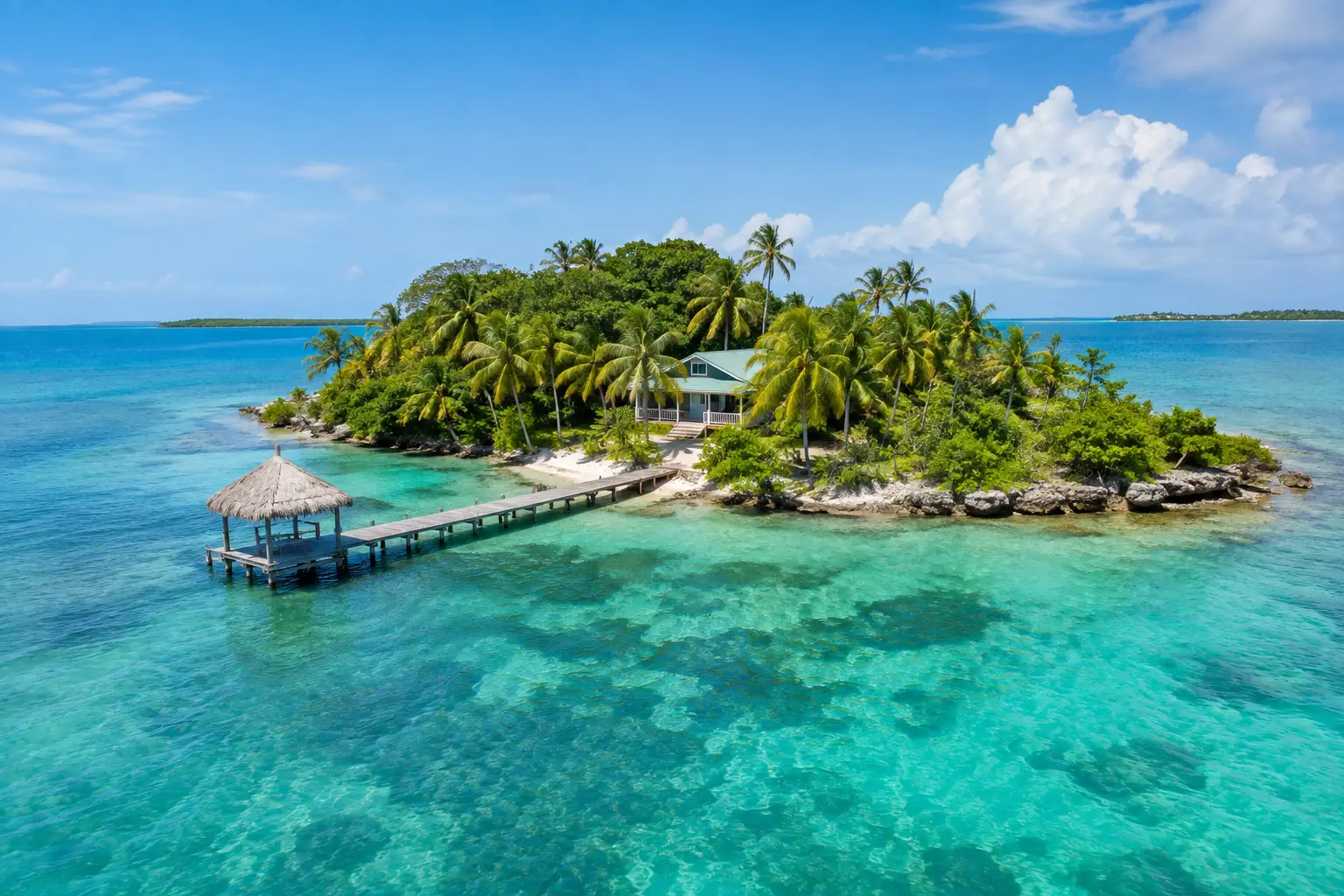
At this price point, buyers should expect a different kind of island opportunity than a turnkey private resort caye with a dock, solar power, staff quarters, and proven rental income. Under $500,000, listings are more likely to be undeveloped or lightly improved. They may have no grid connection, limited boat access, seasonal access considerations, or environmental restrictions that shape where and how you can build.
That does not make them lesser investments. It simply means the value proposition is different. A buyer focused on land banking may prefer an undeveloped parcel in an emerging area. A hands-on owner may see potential in adding off-grid infrastructure and a small eco-lodge concept over time. A buyer who wants immediate personal use and rental revenue, however, may be better served by a mainland waterfront home, condo, or established island property at a higher price point.
A sub-$500,000 island can offer privacy and scarcity, but it is rarely a plug-and-play purchase. The budget should leave room for due diligence, closing costs, boat transportation, dock work, water storage, power systems, construction, and ongoing maintenance.
Where Value Can Be Found in Belize
Belize has hundreds of islands and cayes spread across the Caribbean coast, from the northern waters near Ambergris Caye to the southern coast and offshore areas around Placencia. Prices vary sharply based on proximity to major towns, reef access, tourism demand, infrastructure, and the character of the land itself.
Northern Belize and the Ambergris Caye Area
The waters around Ambergris Caye have global name recognition, strong visitor demand, and a deep base of vacation-home buyers. That visibility supports value, but it also means that fully developed island properties close to San Pedro generally command premium prices.
Budget-minded buyers may find more realistic opportunities farther from town or on smaller surrounding cayes. These properties can suit buyers who value boating, fishing, seclusion, and long-term upside more than daily convenience. The trade-off is practical: groceries, fuel, construction crews, and property management all take more coordination when the property is remote.
Caye Caulker and Central Coast Opportunities
Caye Caulker remains attractive to buyers who want a relaxed Caribbean setting with access to Belize City and the northern cayes. The island itself is increasingly established, so private island opportunities under $500,000 are more likely to be nearby undeveloped parcels rather than finished residences.
For investors, central coastal locations can be compelling when a property has reasonable access to population centers and marine services. Before assigning a premium to a map location, confirm actual travel time by boat, protected anchorage, and whether the route is practical in changing weather.
Southern Belize and Placencia Waters
Southern Belize appeals to buyers looking for a lower-density alternative with access to the Placencia Peninsula, the lagoon, the Caribbean Sea, and the broader tourism market. Small cayes and waterfront parcels in this region may offer more room for imagination than heavily built northern markets.
The best fit depends on your intended use. A private family escape has different requirements from a rental business, fishing lodge, or eco-tourism project. If income is part of the plan, assess the guest experience honestly. Reliable access, a safe dock, water, power, and dependable transportation matter as much as the view.
Start With the Use Case, Not the Listing Price
An island can look like a bargain until the development plan is priced out. Before making inquiries, decide what success looks like five or ten years from now. Are you buying a personal retreat to visit several weeks each year? Holding raw land for future resale? Building a small off-grid residence? Creating an income-producing hospitality property?
Your answer determines the features that matter most. A land-banking buyer may prioritize clear title, acreage, shoreline, and a path to future market demand. A future homebuilder needs to understand buildable areas, elevation, erosion exposure, setbacks, approvals, and access to materials. A hospitality buyer must go further, evaluating guest transport, licensing considerations, staff logistics, marketing, wastewater systems, and operating costs.
The purchase price is only the first number. A disciplined acquisition plan includes a realistic reserve for the first year after closing. This is especially important for islands that need a survey update, dock repairs, boundary marking, brush clearing, security, solar equipment, rainwater collection, or permitting work.
The Due Diligence That Protects the Purchase
Island real estate deserves careful, local due diligence. It is not enough to rely on listing photos, an aerial image, or a seller’s description of boundaries. The waterline, usable land, access routes, and legal rights connected to an island can be more complicated than they appear online.
Work with qualified Belize real estate and legal professionals who can verify the ownership structure and guide the transaction process. Belize Real Estate MLS gives buyers one place to compare available island, land, waterfront, and investment opportunities before narrowing the search to properties that fit their budget and goals.
Pay particular attention to these five areas:
- Title and ownership: Confirm the seller’s right to transfer the property, review the title history, and understand whether there are liens, claims, restrictions, or outstanding obligations.
- Survey and boundaries: Request a current survey and compare it with the listing details. Acreage, shoreline measurements, and neighboring boundaries should be verified rather than assumed.
- Access and docking: Ask how the island is reached, where boats can safely dock, whether there is a right of way if needed, and what conditions are like during wind, rain, and rough seas.
- Environmental and building considerations: Coastal and marine environments can involve restrictions, approvals, protected areas, mangroves, and limits on development. Confirm what is permitted before pricing a build.
- Utilities and operating systems: Determine whether the property has electricity, solar, generators, water catchment, wells, septic systems, internet options, and fuel delivery arrangements.
A site visit is especially valuable. Walk the property if possible, inspect the shoreline at different points, take the boat route yourself, and speak with people who know the area. An island that feels ideally remote on a listing map may feel inconvenient once you calculate travel time and weather exposure.
Financing, Cash Flow, and Ownership Costs
Many international buyers purchase Belize island property with cash, while seller financing may be available on selected listings. Traditional financing can be more limited for remote, undeveloped, or non-income-producing property than it is for a primary home in the United States. Buyers who require financing should address that early rather than negotiating a contract before confirming their options.
If rental income is part of your investment thesis, stay conservative. A beautiful island does not automatically produce bookings. Demand depends on access, accommodations, service standards, online marketing, guest safety, and the operating team on the ground. A remote caye may produce exceptional experiences for the right guest, but it can also have higher staffing and transport costs than a condo in a walkable destination.
Annual costs deserve equal attention. Budget for property taxes, insurance where available and appropriate, security, caretaker services, boat fuel, dock upkeep, vegetation management, equipment replacement, and storm preparation. Salt air and tropical weather are part of the Belize experience, but they can be hard on buildings, motors, solar components, and marine structures.
When an Island Is the Right Belize Investment
Buying an island under $500,000 makes the most sense for a buyer who is patient, well-capitalized beyond the closing price, and comfortable with a property that may develop in stages. It can be an outstanding fit for someone who values privacy, boating, fishing, conservation-minded development, and a long investment horizon.
It may not be the right choice for a buyer seeking immediate rental income, effortless maintenance, or quick access to restaurants, medical services, and daily conveniences. In that case, Belize still offers compelling alternatives: waterfront land, beachfront condos, village homes, and income-producing properties that can provide a more straightforward ownership experience.
The strongest island purchase is not necessarily the largest parcel or the lowest asking price. It is the property whose access, legal position, condition, and future potential match the way you truly plan to use Belize. Start with that clarity, then let the right caye earn its place in your search.
