
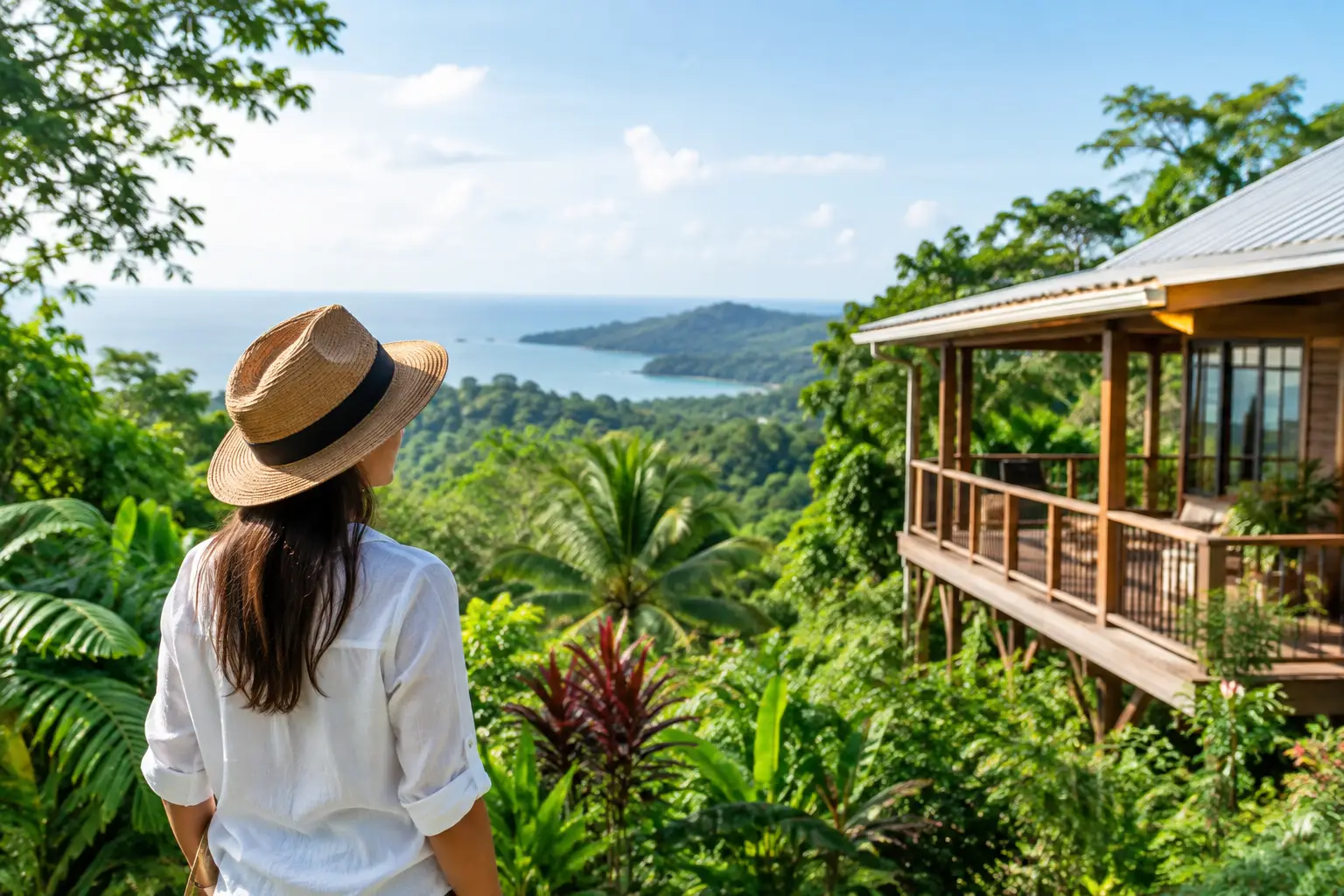
A jungle parcel can put you minutes from a Maya site, a river, a mountain village, or the Caribbean coast while giving you the privacy that draws many buyers to inland Belize. But jungle properties for sale are not interchangeable. A low-priced acreage listing may be an exceptional long-term land play, or it may require far more road, power, drainage, and permitting work than a buyer expects.
For US buyers, the opportunity is real: Belize uses English as its official language, has no restrictions on foreign ownership of property, and offers a range of inland settings that can be difficult to find in more developed tropical markets. The right purchase starts with matching the land to the way you actually plan to use it – private retreat, retirement home, eco-lodge, farm, vacation rental, or future development site.
Where to Find Jungle Properties for Sale in Belize
Belize is a small country, but the character of its inland property markets changes dramatically by district. The Cayo District is often the first stop for buyers seeking jungle acreage, riverfront land, farms, and homes near established services. San Ignacio and Santa Elena provide restaurants, groceries, medical access, schools, and an active expat community, while surrounding areas offer forested land with more room and privacy.
The Mountain Pine Ridge area appeals to buyers who want elevation, cooler evenings, pine forest, waterfalls, and a more remote setting. Roads and utility availability vary widely here, so a property that feels beautifully secluded should also be evaluated for year-round access and construction logistics.
Toledo, in southern Belize, can offer deep-green rainforest scenery, fertile land, river systems, and a quieter pace. It is a strong fit for buyers who value agriculture, conservation-minded projects, or a genuine off-grid lifestyle. The trade-off is distance from major tourism hubs and, in some locations, fewer nearby services.
The Stann Creek District gives buyers another compelling option. Areas near Dangriga, Hopkins, Sittee River, and the foothills of the Maya Mountains can combine jungle surroundings with access to beaches, resorts, and the Southern Highway. This can make sense for an owner who wants both a tropical residence and a potential hospitality or rental angle.
Start With the Intended Use
The best jungle property is not necessarily the largest one or the one with the densest forest. It is the one that supports your plan without forcing expensive compromises later.
A buyer planning a personal home may prioritize a maintained access road, reliable cell signal, proximity to a town, and grid electricity. A buyer interested in an eco-resort may need enough usable topography for cabins, parking, wastewater systems, staff access, and guest circulation. Agricultural buyers should look beyond the word “fertile” in a listing and consider soil conditions, drainage, water sources, terrain, and the cost of clearing only what is necessary.
Rental potential also depends on the experience you can deliver. A jungle cabin with a river, views, trails, and reasonable access may attract the right guests. A beautiful but difficult-to-reach parcel may be better suited to a private compound or long-term hold. It depends on the target guest, the season, and how much operational involvement you want.
Before making offers, write down the non-negotiables: your target budget, minimum acreage, preferred distance to town, whether you need financing options, and whether the property must produce income now or can be a future project. This simple step prevents buyers from being pulled toward scenic listings that do not fit their timeline.
Access Is the First Practical Test
In jungle real estate, access affects nearly every cost and decision. Ask how you reach the parcel from the nearest paved highway and whether the final approach is public road, private road, easement, or an informal track. Visit during, or ask detailed questions about, the rainy season. A road that works well in dry months may require a four-wheel-drive vehicle or become difficult after sustained rain.
Confirm who maintains the road and whether there are regular costs shared among owners. If a creek crossing, bridge, or steep section is involved, inspect it closely. For land intended for construction, find out whether trucks carrying concrete, steel, equipment, or building materials can reach the site. A lower purchase price can lose its appeal quickly when building access requires major upgrades.
Physical access and legal access are both essential. The title documents, survey, and due diligence process should establish that the property has a clear, enforceable right of way. Never rely solely on the fact that a neighboring owner currently allows passage.
Utilities, Water, and Communications Change the Budget
Off-grid living can be a major attraction, but it is not the same as zero-cost living. Solar power, battery storage, backup generation, water storage, wells, rainwater collection, septic systems, and internet solutions all need to be sized for the property’s intended use.
Ask whether grid electricity is available at the boundary, nearby, or not at all. If service is nearby, determine the likely cost and process to extend it. Cell coverage and internet availability should be tested on site, especially if you expect to work remotely, manage reservations, use security cameras, or stay connected with family in the US.
Water deserves equal attention. Some properties have municipal water access, while others depend on wells, springs, rain catchment, or a combination. Learn how water performs in the dry season, not just after rainfall. For hospitality, farming, or multiple residences, a casual answer about a water source is not enough. Build a realistic system plan before you commit.
Verify Title, Boundaries, and Restrictions
Belize welcomes foreign property ownership, but every buyer should use qualified local legal guidance and complete independent due diligence. A professional review should confirm the seller’s authority to sell, the title status, recorded encumbrances, boundary details, access rights, and any restrictions affecting the intended use.
A current survey is especially valuable for jungle land. Natural vegetation can make informal boundary assumptions unreliable, and landmarks can change over time. Know exactly where the parcel begins and ends before planning a home, fence, road, farm area, or guest cabins.
Also ask about environmental considerations. Forested property may have protected areas, riparian setbacks, wetlands, or other conditions that influence clearing, construction, and development. That does not make the property a poor investment. It simply means the opportunity must be priced and planned around what can legally and responsibly be done there.
Price the Land and the Project Separately
Buyers often focus on the asking price per acre. That is useful, but it is only one part of the investment. A more accessible property with power nearby, usable building sites, clean title, and established water may be a better value than a larger bargain parcel that needs years of infrastructure work.
Create a preliminary project budget that includes legal fees, survey work, closing costs, road improvements, site clearing, drainage, fencing, utilities, design, construction, furnishings, and carrying costs. If you are buying with investment income in mind, also model marketing, management, maintenance, insurance, staffing, transportation, and seasonal occupancy.
This is where a centralized search is useful. Belize Real Estate MLS helps buyers compare land, homes, farms, commercial opportunities, and lifestyle features across markets instead of treating every jungle listing as a one-off find. A wider view of available inventory makes it easier to judge whether a property is truly priced for its access, location, and potential.
Visit With a Buyer’s Checklist
Photos can capture a canopy, river, or view, but they cannot tell you how a property feels after a heavy rain, how long the drive takes, or whether a nearby road creates more traffic than expected. Plan an in-person visit before making a final decision whenever possible.
Walk the property with the survey in hand. Notice slopes, drainage paths, low areas, mature trees worth preserving, existing trails, neighboring uses, and signs of seasonal water. Drive the access route from town and from the airport or coastal area you expect to use most. If the purchase is intended for retirement, spend time in the nearest community rather than evaluating the land in isolation.
Ask direct questions about property taxes, road maintenance, security, wildlife, construction crews, material delivery, and local labor. These are not reasons to avoid jungle living. They are the details that turn a dream parcel into a property you can confidently own and enjoy.
The strongest jungle purchase is one you can access, understand, and improve at your own pace. Let the setting inspire you, then let careful due diligence decide whether it is the right piece of Belize for your next home, business, or long-term investment.
Quick answers for buyers
Can foreigners own property in Belize?
Yes. Foreigners can buy and hold freehold property in Belize with the same ownership rights as Belizean citizens; the old Aliens Landholding Act was abolished in 2001. You do not need residency or a local partner, but you should have a Belize attorney search the title at the Lands Registry before any money changes hands. Source: Belize real estate attorneys Wrobel & Co..
How much is property tax in Belize?
Annual land tax in Belize is low by US standards. Outside towns and cities it is generally charged at about 1% of the land’s unimproved assessed value, while municipalities set their own property taxes. Ask the seller for the latest tax receipt so you can confirm the current amount and that nothing is owed before closing. Source: Ministry of Natural Resources.
Related reading: property for sale in Belize, homes for sale in Belize and can foreigners buy property in Belize.
About the Author – Grant Kenneth
If we’ve met around town you already know half of this. I got here from California in 2011. Used to own businesses and work in real estate and mortgages. Down here I made websites, then I made a listing site because looking for property in Belize meant visiting everybody’s page like it was 1999. Married my wife in 2014. We’ve got a son, and her daughter’s ours too. Partner ran sales for years. He retired. I took the thing apart, put it back together, and now I sell as well as build. If you’re reading this on the site, that’s the rebuilt one.
